


Self-Diagnosis: Detect problems in your car before visiting the shop
Vehicle self-diagnosis is an essential skill for every responsible driver. Learning to identify early signs of mechanical problems can not only save you costly repairs but also significantly contributes to road safety and your vehicle's longevity.
What is Vehicle Self-Diagnosis?
Self-diagnosis consists of a set of techniques and basic knowledge that allow vehicle owners to identify possible abnormalities before they turn into serious breakdowns. It's not about replacing the professional mechanic, but developing the ability to detect when something isn't working correctly.
Benefits of Self-Diagnosis
- Cost savings: Detecting problems early prevents expensive repairs.
- Safety: Prevents failures that could cause accidents.
- Better communication: Makes it easier to explain specific symptoms to the mechanic.
- Autonomy: Reduces dependence on towing and assistance services.
- Prevention: Allows intervention before problems worsen.
Basic Tools for Self-Diagnosis
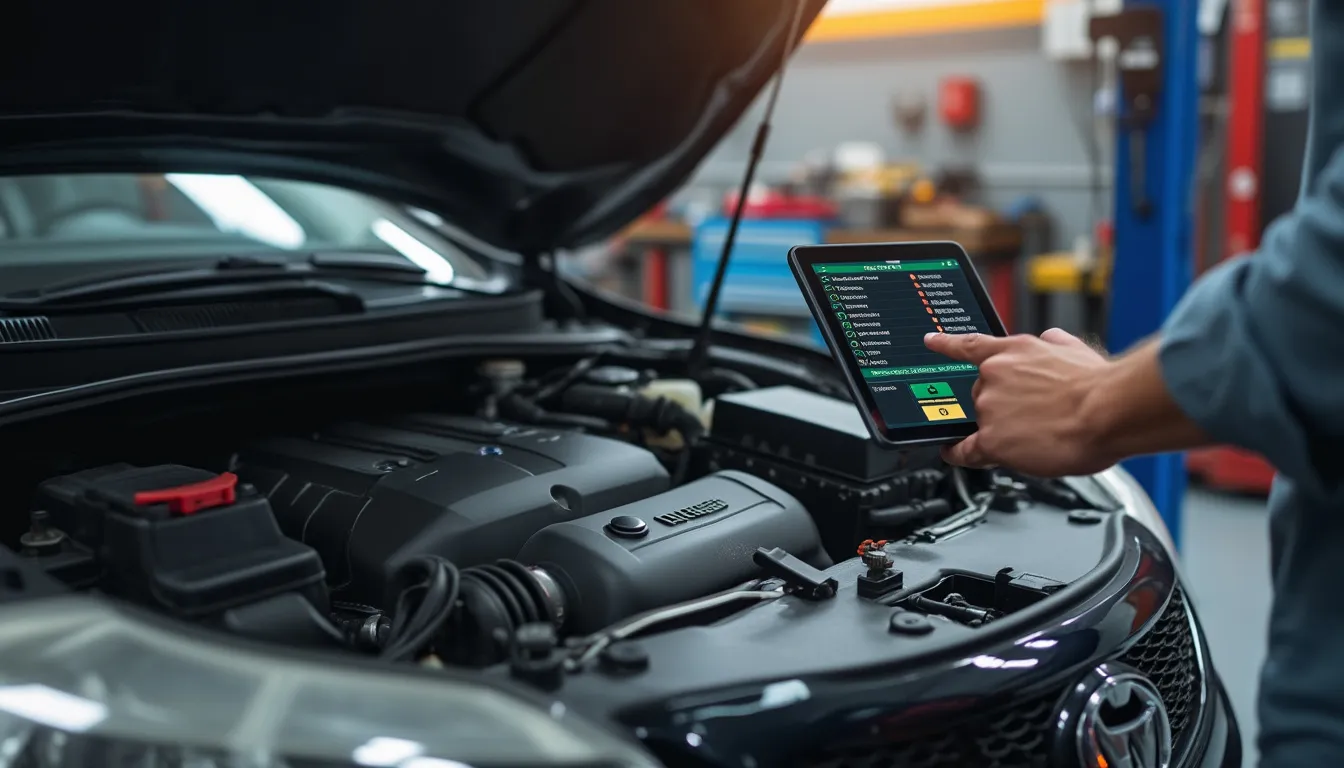
- OBD2 Scanner
- Device that reads error codes stored in the vehicle's control unit.
- Multimeter
- Tool for measuring voltage, resistance, and continuity in electrical components.
- Pressure gauge
- Allows you to check tire pressure and optimize their performance.
- Basic tool kit
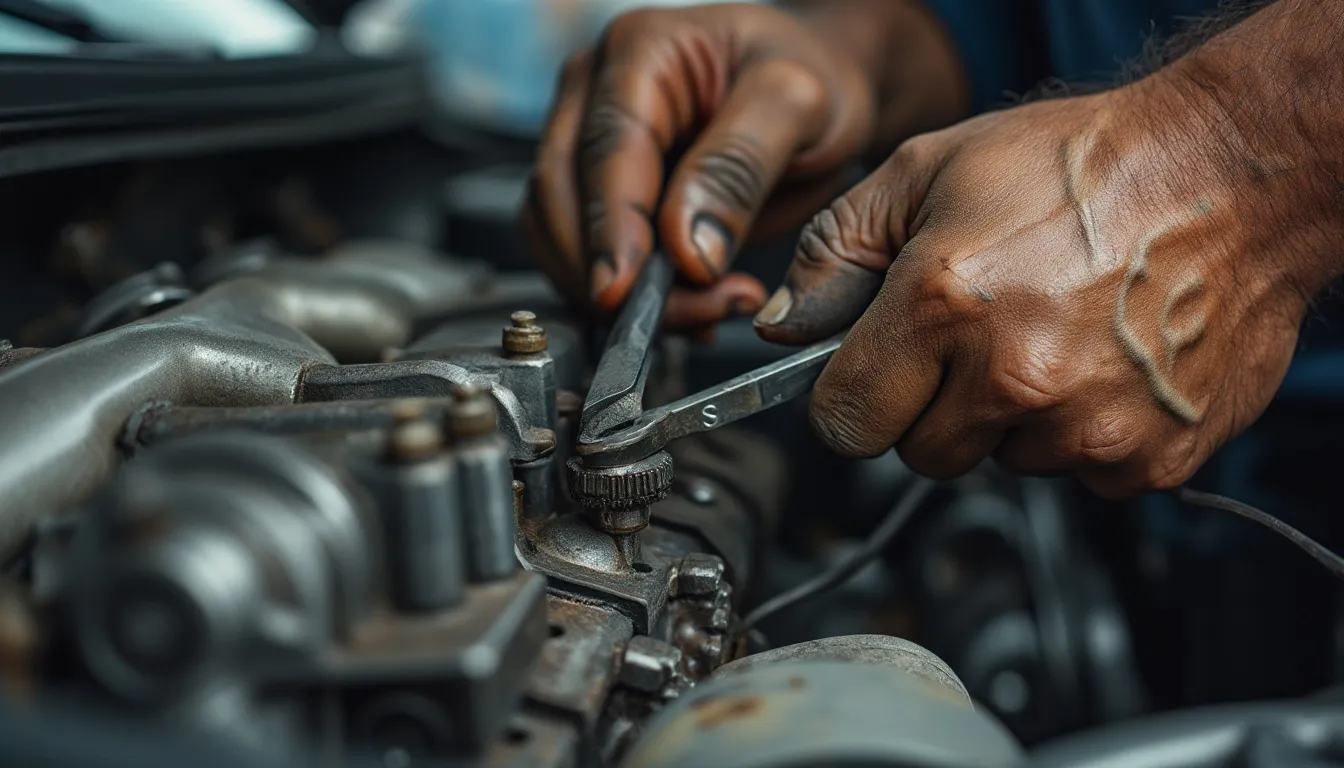
- Screwdrivers, wrenches, and pliers for visual inspections that require simple disassembly.
Warning Signs: When to Worry?
| Sign | Possible Cause | Urgency Level |
|---|---|---|
| Check Engine Light | Multiple (scanner required) | Medium-High |
| Metallic noises when accelerating | Engine or transmission problems | High |
| Steering wheel vibration | Imbalance or suspension issues | Medium |
| Exhaust smoke | Depends on color (blue, white, black) | Medium-High |
Diagnosis by Systems
A systematic approach to self-diagnosis involves checking the main components of your vehicle:
Engine System
The heart of your vehicle requires special attention. Some signs of problems include abnormal noises, power loss, excessive fuel or oil consumption, and exhaust smoke. The smoke color can indicate different problems: blue (burning oil), white (coolant) or black (excess fuel).
Brake System
Brakes are fundamental for safety. Pay attention to any noise (squeaks or screeches), vibration when braking, pedal that's too soft or hard, and braking distances longer than normal. Regular visual inspection of pads and discs can prevent serious failures.
Electrical System
Electrical problems can manifest as difficulty starting, lights that flicker or weaken, fuses that repeatedly blow, or erratic behavior of electronic components. Battery condition is crucial and can be checked with a basic multimeter.
Home Diagnostic Techniques
There are several techniques you can apply without the need for sophisticated tools:
Visual Inspection
- Check fluid levels (oil, coolant, brake fluid)
- Examine the condition of belts and hoses
- Check tire wear
- Look for leaks under the vehicle
- Verify light operation
Auditory Diagnosis
Learning to recognize abnormal sounds can be very useful:
- Sharp squeaks when turning: possible steering problems
- Rattling over bumps: deteriorated suspension
- Knocking when accelerating: possible engine problems
- Whistling: possible vacuum leaks
Using Modern Technology
Current technology makes self-diagnosis easier than ever:
- Mobile applications that connect to Bluetooth OBD2 scanners
- Inspection cameras to reach hard-to-access places
- Infrared thermometers to detect overheating
- Online communities and tutorials specific to your vehicle model
When to See a Professional
Despite the benefits of self-diagnosis, it's important to recognize its limitations. You should see a professional when:
- You cannot clearly identify the cause of the problem
- The repair requires specialized tools
- It involves critical safety systems (brakes, steering)
- The vehicle is under warranty (DIY repairs may void it)
- The airbag or ABS light is on
Preventive Maintenance
The best diagnosis is preventive. Establish a regular routine of checks that includes:
- Weekly verification of fluid levels
- Monthly control of tire pressure and condition
- Quarterly review of battery and electrical system
- Semi-annual inspection of brakes and suspension
- Complete annual analysis of major systems
Conclusion
Vehicle self-diagnosis is a skill that every driver can and should develop. It's not about becoming a mechanic, but about knowing your vehicle better to detect problems in time, communicate effectively with professionals, and make informed decisions about maintenance. This practice not only extends the useful life of your car but also significantly contributes to your safety and peace of mind on the road.